
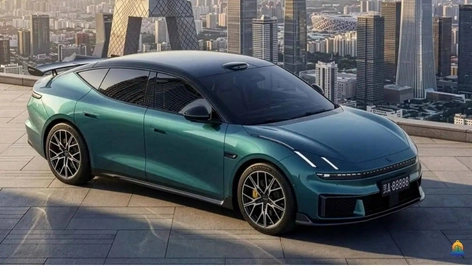
The demand for electric car vehicles in India has increased significantly over the past few years. Rising petrol prices, environmental awareness, and government incentives are encouraging more people to consider electric vehicles as an alternative to traditional petrol or diesel cars.
While the initial price of an electric car may seem higher, the long-term savings can be substantial. Lower fuel costs, reduced maintenance expenses, and government subsidies make electric cars increasingly attractive for Indian consumers.
Understanding how much money you can save by switching to an E-car helps potential buyers make informed financial decisions.
Why Electric Cars Are Becoming Popular in India
The popularity of the E-car market in India is growing due to several important factors.
First, petrol and diesel prices have steadily increased, making fuel costs a major expense for car owners. Electric cars rely on electricity instead of fuel, which significantly reduces running costs.
Second, the Indian government is promoting electric vehicles through subsidies, tax benefits, and infrastructure development. Programs like FAME (Faster Adoption and Manufacturing of Electric Vehicles) aim to make E-cars more affordable.
Third, many car manufacturers are launching new electric models with improved battery range, performance, and safety features.
These factors are contributing to the rapid adoption of E-cars across Indian cities.
Comparing Fuel Costs: Petrol Car vs Electric Car
One of the biggest financial advantages of owning an electric car is the significant reduction in fuel costs.
A typical petrol car in India consumes approximately 1 liter of petrol for every 15 kilometers. If petrol costs around ₹100 per liter, driving 15 kilometers costs about ₹100.
In contrast, an E-car typically consumes around 15 kWh of electricity to travel 100 kilometers. If electricity costs around ₹8 per kWh, the total cost for 100 kilometers is roughly ₹120.
This means driving an E-car costs only about ₹1.2 per kilometer, compared to ₹6–₹7 per kilometer for petrol cars.
Over time, these savings become substantial.
Example: Yearly Savings With an Electric Car
Let’s consider a simple example.
Assume a driver travels 15,000 kilometers per year.
Petrol Car Cost
Fuel cost per kilometer: ₹6
Annual fuel expense:
15,000 km × ₹6 = ₹90,000
Electric Car Cost
Electricity cost per kilometer: ₹1.2
Annual charging cost:
15,000 km × ₹1.2 = ₹18,000
Annual Savings
₹90,000 – ₹18,000 = ₹72,000 saved every year
This demonstrates how switching to an E-car can significantly reduce yearly transportation expenses.
Lower Maintenance Costs
Another major advantage of owning an electric car is reduced maintenance.
Traditional petrol cars have complex engines with hundreds of moving parts that require regular servicing. These include oil changes, engine maintenance, and exhaust system repairs.
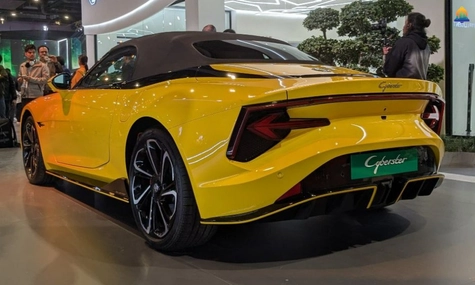
Electric cars, on the other hand, have simpler powertrains with fewer moving parts.
Maintenance savings typically include:
- No engine oil changes
- Fewer brake replacements due to regenerative braking
- Lower servicing costs
- Reduced mechanical wear
Many studies estimate that E-car maintenance costs can be 30–50% lower than petrol vehicles.
Government Incentives for Electric Cars
The Indian government is actively promoting the adoption of electric vehicles.
Several incentives help reduce the cost of purchasing an electric car:
- FAME subsidies for EV buyers
- Lower GST rates on electric vehicles
- State government incentives in some regions
- Income tax deductions on EV loans
These incentives can reduce the upfront price of an E-car, making the switch more affordable.
Long-Term Financial Benefits
While the purchase price of an electric car may be higher initially, the long-term financial benefits can offset the cost.
Consider a five-year ownership period.
Fuel savings:
₹72,000 × 5 years = ₹3,60,000
Maintenance savings:
Approximately ₹30,000–₹50,000
Total potential savings over five years could exceed ₹4,00,000 depending on driving habits and electricity costs.
This makes E-cars a financially attractive option for many Indian drivers.
Example of Electric Car Savings
Consider a popular entry-level electric car in India that costs around ₹12 lakh.
A comparable petrol vehicle might cost around ₹9 lakh. Although the E-car is more expensive initially, the running cost savings can offset the price difference over time.
If a driver saves around ₹70,000 per year on fuel and maintenance, the additional cost of the electric car could be recovered within 4–5 years.
After that point, the owner continues to benefit from lower operating costs.
Environmental Benefits of Electric Cars
Beyond financial savings, switching to an electric car also has significant environmental advantages.
Electric vehicles produce zero tailpipe emissions, reducing air pollution in urban areas.
India’s major cities struggle with pollution levels, and electric vehicles can play an important role in improving air quality.
As India increases its renewable energy capacity, the environmental impact of E-cars will continue to improve.
Challenges of Electric Car Adoption
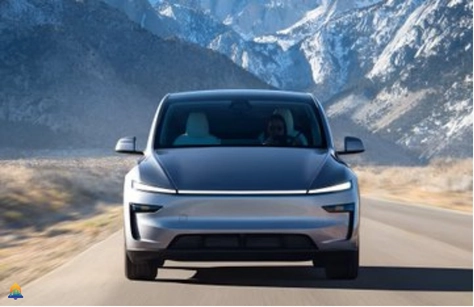
Despite their advantages, electric cars still face some challenges in India.
One of the biggest concerns is charging infrastructure. Although the number of public charging stations is growing, availability can still be limited in smaller cities.
Another concern is battery replacement cost, which can be expensive if the battery degrades significantly after many years.
However, improvements in battery technology and government investment in charging infrastructure are gradually addressing these issues.
The Future of Electric Cars in India
The future of the electric car industry in India looks promising. Major automobile manufacturers are investing heavily in electric vehicle technology.
New models with longer driving ranges, faster charging times, and more affordable prices are expected to enter the market in the coming years.
Experts predict that electric vehicles could account for a significant portion of India’s car market by 2030.
As infrastructure improves and prices decrease, more consumers are likely to switch to E-cars.
Conclusion
Switching to an electric car in India can lead to substantial financial savings over time. Lower fuel costs, reduced maintenance expenses, and government incentives make electric vehicles an increasingly practical option.
Although the initial purchase price may be higher, the long-term savings often outweigh the extra cost. For drivers who travel regularly, switching to an E-car can save thousands of rupees every year.
With growing environmental awareness and advancements in electric vehicle technology, electric cars are set to play a major role in the future of transportation in India.
Stay updated with Your City Bulletin